India’s Premium Compliance Stack
 India’s Premium Compliance Stack
GST Return Filing & ITC Reconciliation in India
GST return filing means reporting your outward supplies, tax liability, and input tax credit through the GST Portal, typically via GSTR-1/1A and GSTR-3B for regular taxpayers. ITC reconciliation compares your purchase records against GSTR-2B to catch mismatches before you claim credit, missing invoices, duplicate entries, and supplier errors are the usual culprits.
BookmyCA connects you with a Chartered Accountant who reconciles your records before filing, not after a notice arrives.
GST Return Filing & ITC Reconciliation at a Glance
GST return filing is how registered taxpayers report transactions, tax liability, and eligible input tax credit for a tax period. ITC reconciliation is the process of comparing your purchase register against GSTR-2B, a system-generated statement, to identify differences before you claim credit in GSTR-3B. GSTR-2B tells you what your suppliers have reported, it doesn't automatically mean everything in it is eligible for claim, that eligibility check is still yours to do.

Does GST Return Filing & ITC Reconciliation Apply to You?
Consider it when:
- You're a GST-registered business making taxable supplies and claiming input tax credit
- You're liable under reverse charge or deal with interstate purchases or imports
- You file under the QRMP scheme or hold multiple GST registrations
- You have significant purchase volumes, multiple suppliers, or frequent credit/debit notes
It may not suit you when:
- You have low transaction volume with a single, reliable supplier
- You have no interstate purchases, imports, or reverse charge transactions
- You've had no supplier filing delays or GST mismatches before
- You receive very few credit or debit notes

Not sure your filings and ITC claims reconcile? We can review your last cycle and flag mismatches early?
Talk to usWhat You Need Before You File
Sales and outward-supply records.
Complete invoices, credit notes, and debit notes for the period, reconciled with your accounting records.
Purchase register.
Supplier GSTIN, invoice number and date, taxable value, GST amount, and place of supply for every purchase.
GSTR-2B review.
Treat it as a reconciliation input, not an automatic eligibility determination.
Tax liability reconciliation.
Sales and liability reconciled across books, GSTR-1/1A, and GSTR-3B.
ITC eligibility review.
Conditions, restrictions, and reversals checked before credit is claimed.
Reverse charge review.
Applicable transactions identified and liability/ITC accounted for correctly.
Documents & Data Required

Sales and Outward Supply
Sales invoices
Credit/debit notes
Export invoices - where applicable
HSN/SAC and e-invoice data

Purchases and ITC
Purchase register
Supplier invoices
GSTR-2B
Import documents - Bill of Entry, where applicable

Accounting and Reconciliation
Sales and purchase ledgers
Electronic ledgers - credit, cash, and liability
Previous GST returns
Payment challans and e-way bill records
GST Return Filing & ITC Reconciliation Process
Collect data
Sales, purchases, expenses, credit/debit notes, and reverse charge records gathered for the period
Reconcile sales
Books compared against outward-supply data
Review GSTR-2B
Downloaded and compared against the purchase register
ITC reconciliation
Differences classified: missing invoices, value mismatches, duplicates, ineligible ITC, and more
Estimated Timeline
D0-D2
Data collection and sales reconciliation
D1-D3
GSTR-2B and purchase reconciliation
D3-D5
ITC eligibility and liability reconciliation
D4-D6
Return preparation and review
D6-D7
Tax payment and filing
D7-D8
Post-filing reconciliation
D7-D8
Final handover - After Filing
Benefits of GST Filing & Reconciliation

Accurate GST reporting
Depends on the quality of your underlying accounting data, reconciliation can't fix bad source records
Better ITC control
Requires ongoing review, not a one-time check when you first register
Fewer GST mismatches
Some mismatches originate from supplier-side errors you can't control directly, only follow up on
Improved cash-flow visibility
Only as accurate as your reconciliation frequency, monthly beats year-end
GST Compliance Checklist
Reconcile Sales Against GSTR-1/1A
Reconcile sales against GSTR-1/1A and accounting records before filing
Reconcile Sales Against GSTR-1/1A
Reconcile sales against GSTR-1/1A and accounting records before filing
Review GSTR-2B Before Claiming ITC
Download and review GSTR-2B before determining eligible ITC
Review GSTR-2B Before Claiming ITC
Download and review GSTR-2B before determining eligible ITC
Check ITC Eligibility & Documentation
Check ITC eligibility, restrictions, and documentation before claiming
Check ITC Eligibility & Documentation
Check ITC eligibility, restrictions, and documentation before claiming
Track Reversals & Reclaims
Review reversals, both permanent and temporary, and track eligible reclaims
Track Reversals & Reclaims
Review reversals, both permanent and temporary, and track eligible reclaims
Account for Reverse Charge
Identify reverse charge transactions and account for liability and ITC correctly
Account for Reverse Charge
Identify reverse charge transactions and account for liability and ITC correctly
Reconcile Tax Liability
Reconcile tax liability across books, GSTR-1/1A, and GSTR-3B
Reconcile Tax Liability
Reconcile tax liability across books, GSTR-1/1A, and GSTR-3B
Verify Electronic Ledgers
Verify electronic cash, credit, and liability ledgers before and after filing
Verify Electronic Ledgers
Verify electronic cash, credit, and liability ledgers before and after filing
Track Filing Due Dates
Track filing status against prescribed due dates
Track Filing Due Dates
Track filing status against prescribed due dates
Maintain Compliance Records
Maintain invoices, reconciliations, returns, and payment records
Maintain Compliance Records
Maintain invoices, reconciliations, returns, and payment records
Common Mistakes
Filing GSTR-3B without reconciling ITC first.
Purchase register alone isn't enough, check GSTR-2B and eligibility conditions before filing
Treating GSTR-2B as automatic eligibility.
It's a reconciliation source, not a final determination, eligibility conditions still apply
Ignoring invoice and supplier mismatches.
Missing invoices or incorrect GSTIN need supplier follow-up, not silent write-off
Missing credit notes and amendments.
Reconcile original invoices together with amendments, not separately
Claiming duplicate ITC.
Invoice-level reconciliation catches this before filing, not after
Relying completely on auto-populated GSTR-3B.
It's a filing aid, you're still responsible for the figures being correct
GSTR-1 vs GSTR-3B vs GSTR-2B
Purpose
Reports outward-supply details
Nature
Outward-supply reporting
ITC claim
Not the primary ITC form
Who files it
Supplier
Why Choose BookmyCA?
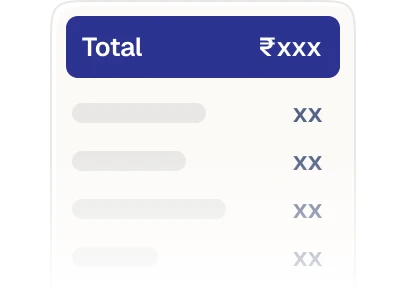
Transparent pricing
Full cost breakup before you commit. No surprises at the payment screen.
Right professional
CA, CS, or lawyer matched to your situation, not a one-size advisory.

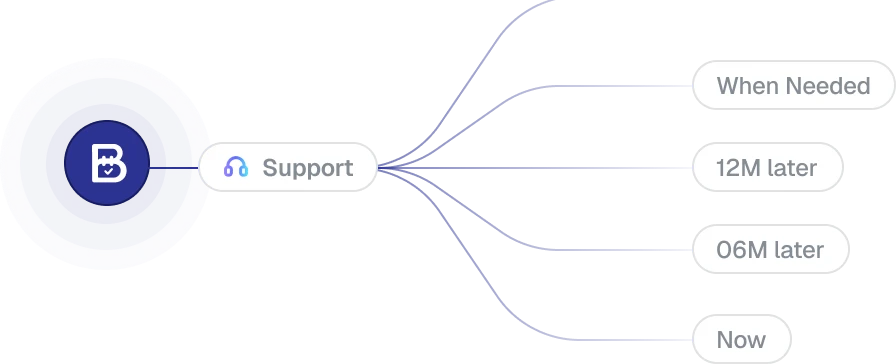
Long-term support
Available after incorporation for accounting, tax, and ROC compliance.
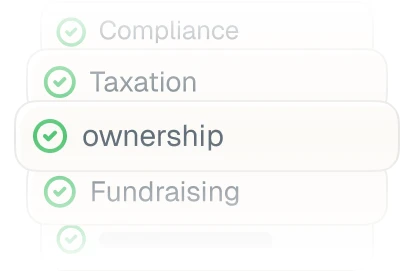
Informed decisions
Decisions that affect ownership, taxation, fundraising, and compliance, done right from the start.
Frequently Asked Questions
GSTR-1/1A for outward-supply reporting and GSTR-3B for summary liability and ITC. The exact forms and frequency depend on your registration type and filing scheme.

GSTR-2B is a system-generated statement showing available credit. ITC reconciliation is the broader process of comparing it against your purchase records and invoices to determine what's actually eligible.
It catches missing invoices, duplicate entries, supplier filing errors, and potentially ineligible ITC before you claim it, and builds an audit trail for later.
Investigate rather than assume either way. Common causes include supplier non-filing, incorrect GSTIN, invoice amendments, or timing differences, the right treatment depends on the specific cause.
Monthly GSTR-3B is generally due on the 20th of the following month. QRMP taxpayers generally file by the 22nd or 24th, depending on state. GSTR-1 has its own separate due dates. Always verify the current date and any extensions for your specific period.

Speak to a Professional for GST Filing & Reconciliation
Accurate GST compliance takes more than filing before the deadline. BookmyCA manages return filing, ITC reconciliation, and mismatch tracking through a structured, period-wise process.