India’s Premium Compliance Stack
 India’s Premium Compliance Stack
Trademark Registration in India
Trademark registration gives legal protection to a distinctive mark, a brand name, word mark, or logo, used in connection with your goods or services. It starts with understanding your proposed mark, checking for conflicts, and selecting the right class before filing.
Filing an application doesn't guarantee registration. It's subject to examination and other procedures, BookmyCA helps you file with better-prepared documentation, not a guaranteed outcome.
Trademark Registration at a Glance
Trademark registration is applying to protect an eligible mark, examined under applicable trademark law and procedure. A trademark search and trademark registration are different steps, a search assesses potential conflicts before you file, registration is the actual application for protection. Trademark availability is also distinct from company-name or domain-name availability, having an available company name or domain doesn't establish that the mark is available for trademark purposes.
1
Trademark per application
10
Years of Registration Validity
45+
Trademark Classes

Who Needs Trademark Registration?
Consider it when:
- You have a brand name, logo, or other distinctive mark to protect
- You qualify as an Individual, Startup, or Small Enterprise for the reduced government fee category
- You're a company or other applicant not qualifying under the reduced fee category
- You operate across multiple goods/service categories needing more than one class
It may not suit you when:
- You have no distinctive brand name, logo, or mark you actually need to protect
- You're only looking for company-name or domain registration, not trademark protection
- Your matter has already escalated to contested opposition or hearings needing a specialist lawyer
- You haven't yet decided on a final mark or business name to file

Trademark search and registration are separate steps, and neither guarantees registration. Is your mark available?
Talk to usBefore Filing
Availability search.
Generally worth doing before filing, to identify existing marks that could conflict with your proposed one. Neither a search nor a filing guarantees the mark will ultimately register.
Class selection.
Choose the appropriate trademark class based on the goods or services you want to protect.
Applicant category.
Government fees vary by applicant category and are charged separately for each class and mark. Reduced fees require valid supporting documentation.
Documents & Information Required

Applicant Details
Name and address
Business information - relevant details

Mark Details
Proposed trademark representation
Description of goods/services
Selected class(es)

Additional, Where Relevant
Prior-use claim support
Agent authorisation
Fee-category eligibility documentation
Trademark Registration Process
Availability search
Existing marks reviewed for potential conflicts
Class selection
Appropriate Class(es) determined
Application preparation
Applicant details, mark representation, and description prepared
TM-A filing
Application submitted online, government fee paid
Estimated Timeline to File
D0-D2
Availability search
D1-D3
Class selection
D3-D5
Application preparation
D5-D6
TM-A filing
D5-D6
Final handover - Application Filed
Benefits of Structured Trademark Filing

Pre-Filing Verification
A search doesn’t guarantee registration, but it helps reduce conflict risk.
Correct class selection
Choosing the wrong class may mean your protection does not cover what you need it to.
Accurate Documentation
Better-prepared filing, not a guaranteed outcome, the application still faces examination
Examination support
We support tracking and documentation; complex contested opposition needs a specialist lawyer separately
Post-Filing Checklist
Track Application Status
Monitor status and examination progress after filing
Track Application Status
Monitor status and examination progress after filing
Respond to Examination Objections
Address any objection raised by the Registry within the applicable timelines
Respond to Examination Objections
Address any objection raised by the Registry within the applicable timelines
Watch for Publication
Accepted applications are published in the Trade Marks Journal
Watch for Publication
Accepted applications are published in the Trade Marks Journal
Monitor the Opposition Period
Third parties may oppose within the prescribed period after publication
Monitor the Opposition Period
Third parties may oppose within the prescribed period after publication
Know When to Escalate
Complex contested proceedings or hearings need a qualified trademark professional or lawyer
Know When to Escalate
Complex contested proceedings or hearings need a qualified trademark professional or lawyer
Keep Fee-Category Documentation Ready
Supporting documents are required to claim the reduced Individual/Startup/Small Enterprise fee
Keep Fee-Category Documentation Ready
Supporting documents are required to claim the reduced Individual/Startup/Small Enterprise fee
Common Mistakes
Assuming company-name or domain registration protects your brand.
Neither establishes trademark rights. They are entirely separate registrations.
Skipping the availability search.
It doesn't guarantee registration either. However, filing without one can increase the risk of conflicts.
Assuming filing means registration.
The application remains subject to examination, objection, and opposition. Filing is the start of the process, not the end.
Trademark Objection vs Opposition
Raised by
The Trade Marks Registry
When it can occur
During examination of your application
What it requires
A reviewed, timely response within applicable requirements
Support available
Application tracking and documentation support
Why Choose BookmyCA?
Transparent pricing
Full cost breakup before you commit. No surprises at the payment screen.
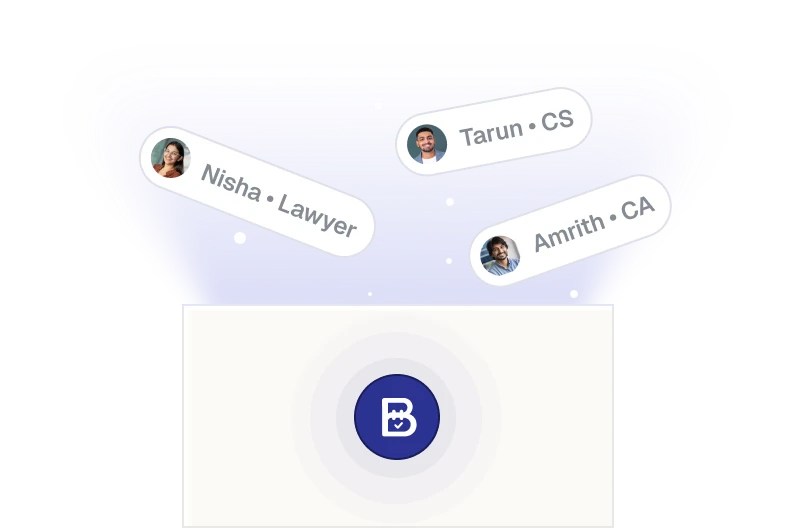
Right professional
CA, CS, or lawyer matched to your situation, not a one-size advisory.
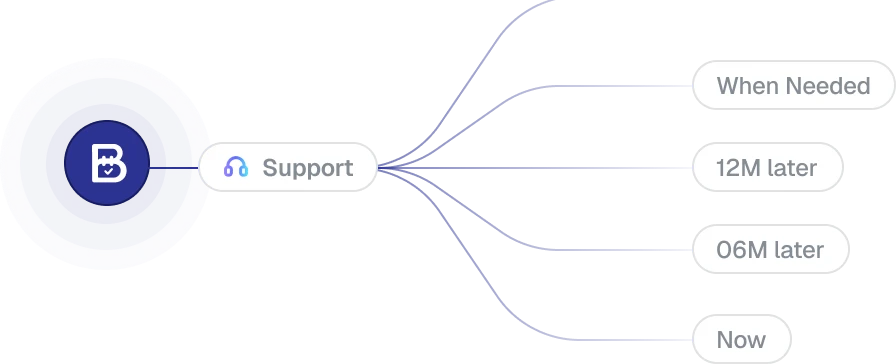
Long-term support
Available after incorporation for accounting, tax, and ROC compliance.
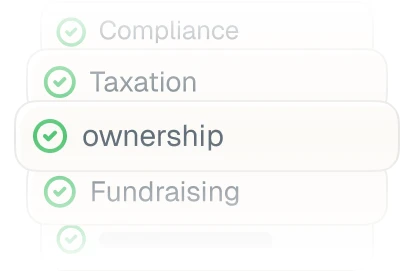
Informed decisions
Decisions that affect ownership, taxation, fundraising, and compliance, done right from the start.
Frequently Asked Questions
Yes, a preliminary search identifies existing marks that could conflict with yours before you commit to filing.

No, a search assesses existing records and potential conflicts, it can't guarantee acceptance or registration.
No, company-name and trademark registration are entirely different. Registering a domain name doesn't establish trademark rights either.
Depends on the goods or services you want protected, businesses operating across multiple categories may need more than one class.
It needs a reviewed, appropriate response within the applicable requirements, further proceedings may follow depending on the objection itself.
Yes, after publication in the Trade Marks Journal, a third party can oppose within the prescribed period.
No, trademark registration is the actual legal process. "Brand registration" is a general business term, not a separate registration category.

Protect Your Brand with Trademark Registration
Your brand name, logo, and other distinctive identifiers become real business assets as you grow. A proper availability search, class selection, and well-prepared application start the process right.