India’s Premium Compliance Stack
 India’s Premium Compliance Stack
LLP Registration Services
An LLP combines partnership-style flexibility with limited liability under a statutory framework. It suits consulting firms, professional practices, agencies, IT and service businesses, and other closely held businesses with two or more partners. An LLP has a separate legal identity, can hold assets and enter contracts, and is governed by an LLP Agreement.
BookmyCA connects you with a Chartered Accountant, Company Secretary, or lawyer who can assess whether an LLP is the right business structure for you before you proceed with LLP registration.
At a Glance
A Limited Liability Partnership is a separate legal entity under the Limited Liability Partnership Act, 2008, administered through the MCA. It requires a minimum of two partners and two designated partners, with at least one designated partner meeting the resident-in-India requirement. Partners generally benefit from limited liability, subject to statutory exceptions, and set their contribution, profit-sharing, and management terms through the LLP Agreement rather than a board-and-shareholder structure.
2
Minimum partners
∞
Business continues despite partners
30
Days to File LLP Agreement

Is an LLP Right for You?
Consider it when:
- You have two or more founders or partners
- You want a separate legal entity with limited liability
- You run a professional, consulting, or service-based business
- You want flexible management through an LLP Agreement, not a board
- You prefer a partnership-based ownership structure
- You want simpler ongoing compliance and fewer corporate formalities
It may not suit you when:
- You expect significant venture capital or institutional investment
- Investors require a conventional equity-share structure
- Multiple external equity rounds are planned
- Employee stock-based incentives are central to your model

Not sure which structure fits? We can help you compare LLP, Private Limited Company, OPC, Partnership Firm, and Sole Proprietorship.
Talk to usMinimum Requirements for LLP Registration
Two partners.
At least two partners are required to form an LLP, subject to applicable legal and eligibility requirements.
Proposed LLP Name.
Choose a name that meets LLP naming rules and is available for registration with the relevant authority.
Partner Details.
Provide the required personal, identification, and contact details for each proposed partner
Partner Contribution.
Define each partner’s agreed contribution to the LLP and record it in the LLP Agreement.
Profit-Sharing Arrangement.
Agree how profits, losses, responsibilities, and other commercial interests will be shared among partners.
LLP Agreement.
Set out the partners’ rights, duties, contributions, profit sharing, management, and decision-making arrangements.
Documents Required

Individual Partners
PAN
Identity Proof
Address Proof
Photograph
DSC - where applicable

Registered Office
Ownership/Possession document
Rent/Lease agreement
Recent utility bill or accepted address proof
NOC - from property owner, where applicable

Entity Partner
Incorporation/Registration certificate
Constitutional documents
Authorisation or resolution
Authorised representative details
LLP Registration Process
Finalise the LLP structure
Partners, designated partners, business activity, contribution, and profit-sharing decided
Digital Signature Certificates
DSCs obtained for individuals who need to sign filings digitally
Select and reserve the LLP name
Name checked against companies, LLPs, and trademarks, reserved via RUN-LLP where applicable
Prepare incorporation documents
Partner KYC, registered-office proof, and consent/NOC compiled
Estimated Timeline
D0-D3
Document collection and DSC processing
D2-D5
Name reservation
D5-D8
FiLLiP filing and MCA processing
D8-D10
LLP Agreement execution and filing
D9-D10
Final handover - After MCA Approval
Benefits of an LLP

Separate legal identity
The LLP enters contracts and holds assets separately from its partners
Limited liability framework
Doesn't eliminate personal liability for conduct that attracts liability under applicable law
Flexible internal arrangements
Structured through the LLP Agreement, not a board
Partner-led management
Responsibilities organised around the business, not a fixed corporate hierarchy
Post-Registration Checklist
Execute the LLP Agreement
File the LLP Agreement within the applicable timeline after incorporation
Execute the LLP Agreement
File the LLP Agreement within the applicable timeline after incorporation
Maintain Financial Records
Maintain books of account and financial records for the LLP
Maintain Financial Records
Maintain books of account and financial records for the LLP
File Form 8 and Form 11
File the Statement of Account & Solvency (Form 8) and Annual Return (Form 11) annually
File Form 8 and Form 11
File the Statement of Account & Solvency (Form 8) and Annual Return (Form 11) annually
File Income Tax Return
File the LLP's income-tax return (ITR-5, where applicable)
File Income Tax Return
File the LLP's income-tax return (ITR-5, where applicable)
Assess GST Registration
GST registration isn't automatic just because you've registered an LLP, assess it separately
Assess GST Registration
GST registration isn't automatic just because you've registered an LLP, assess it separately
Track Event-Based Filings
Track changes in partners, designated partners, registered office, or contribution
Track Event-Based Filings
Track changes in partners, designated partners, registered office, or contribution
Common Mistakes
Choosing an LLP only because it's cheaper to register.
Evaluate ownership, funding, liability, and long-term plans first, not just the registration price
Inadequate name checks.
MCA availability and trademark availability are separate checks
Incorrect partner information.
Cross-check every filing detail against supporting documents to avoid resubmission
Treating the LLP Agreement as a formality.
A generic agreement may not reflect what partners actually agreed
Ignoring post-registration compliance.
Set up accounting and compliance processes immediately, not after the first deadline is missed
Failing to consider future funding.
If institutional equity is likely, evaluate a Private Limited Company before you incorporate
LLP vs Other Business Structures
Legal identity
Separate legal entity
Liability
Generally limited
Ownership
Partners
Shares
No
External equity funding
Less suited
Compliance
Moderate
Best suited for
Closely held, partner-led businesses
Why Choose BookmyCA?
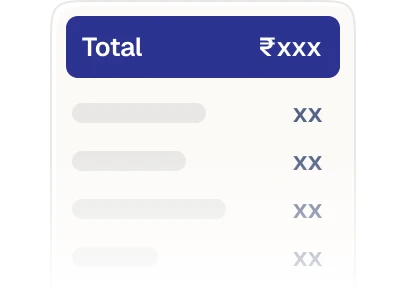
Transparent pricing
Full cost breakup before you commit. No surprises at the payment screen.
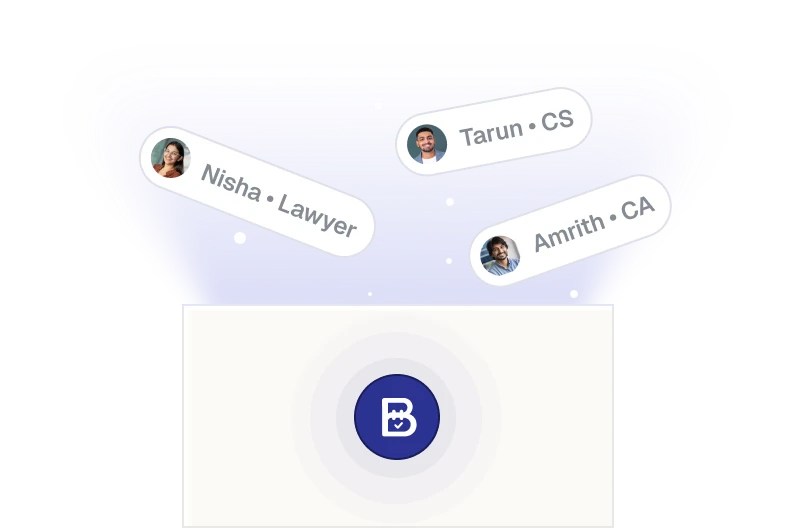
Right professional
CA, CS, or lawyer matched to your situation, not a one-size advisory.
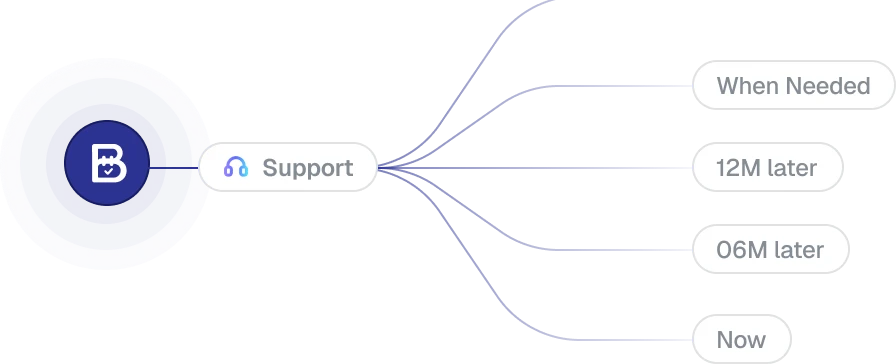
Long-term support
Available after incorporation for accounting, tax, and ROC compliance.
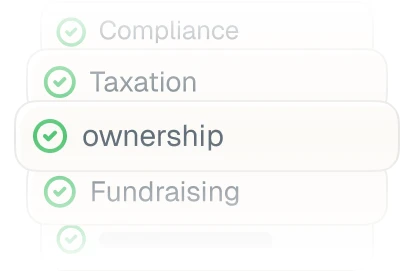
Informed decisions
Decisions that affect ownership, taxation, fundraising, and compliance, done right from the start.
Frequently Asked Questions
At least two partners, along with the applicable designated-partner requirements.

PAN, identity and address proof, photographs, and contact details for partners, plus registered-office documents and additional documents where an entity is involved.
It depends on document readiness, name processing, and MCA/Registrar review, a fixed timeline shouldn't be assumed.
Yes, it establishes the partners' rights and responsibilities and should reflect their actual commercial understanding.
Neither is universally better. An LLP suits flexible, partner-led businesses, a Private Limited Company suits businesses expecting equity funding and institutional investment.

Speak to a Professional Before You Register
Choosing an LLP should be based on more than the initial registration cost. Evaluate the business structure, partner arrangements, and future funding plans before you incorporate. BookmyCA helps you start with clarity.