India’s Premium Compliance Stack
 India’s Premium Compliance Stack
Private Limited Company Registration in India
A Private Limited Company suits founders looking to raise equity, add co-founders, or scale. It requires 2 directors, 2 shareholders, and an annual statutory audit, with registration typically taking 7–12 working days.
BookmyCA connects you with a Chartered Accountant, Company Secretary, or lawyer who will confirm this structure actually fits your business, before you commit to it.
Private Limited Company at a Glance
A Private Limited Company is registered under the Companies Act, 2013. Once incorporated, it's legally separate from its directors and shareholders. It can own property, sign contracts, open bank accounts, borrow money, and do business in its own name. It must also restrict share transfers, cap membership at 200, and can't invite the public to buy its securities.
1
Registered Office
2
Minimum Directors
200
Permitted Members
Is a Private Limited Company Right for You?
Consider it when:
- You have two or more founders
- You plan to raise equity investment
- You want clearly defined shareholding
- You plan to issue shares or ESOPs later
- You want the business to outlast its founders
- You need a formal structure for investors, institutions, or larger clients
- You're ready to maintain proper accounts and complete annual compliance
It may not suit you when:
- You're just testing a small business idea
- You want the lowest possible compliance cost
- You don't plan to raise equity
- You're the sole owner, and an OPC or proprietorship would work fine
- You'd rather skip statutory audit and annual ROC filings
- Your business is small, closely managed, and unlikely to need a corporate ownership structure

Not sure which structure fits? We can help you compare Private Limited Company, LLP, OPC, Partnership Firm, and Sole Proprietorship.
Talk to usMinimum Requirements for Registration
Two directors.
A private company requires at least 2 directors and can have up to 15.
Digital Signature Certificates.
Proposed subscribers and directors need valid DSCs for signing and submitting incorporation documents electronically.
Proposed company name.
2-3 options, distinguishable from existing names/trademarks, no restricted words, ending in "Private Limited." MCA has final say.
Registered-office address.
Commercial, rented, co-working, or residential (check local restrictions separately).
Business activities.
A specific description, used for the objects clause. Vague clauses cause amendment headaches later.
Capital and shareholding.
Authorised capital, subscribed capital, and ownership split per shareholder. No minimum required, but keep it commercially sensible.
Documents Required

Directors & Shareholders
PAN Card
Identity Proof - Aadhaar, Passport, VoterID, or Driving Licence
Recent Address Proof
Photograph

Registration Office
Recent Utility bill
Ownership/Lease document
NOC - From property owner
Full address - with PIN and jurisdiction

Foreign nationals/NRIs
Passport
Overseas address proof
Notarised/Apostilled docs - as applicable
Nationality proof
Registration Process
Business-structure consultation
We understand your business, founder arrangement, investment plans, and compliance expectations
Name and trademark review
Proposed names checked for obvious conflicts and risks
Digital Signature Certificate
DSCs arranged for relevant directors and subscribers
Capital and shareholding confirmation
Authorised capital, subscribed capital, and ownership documented
Estimated Timeline
D0-D3
Document collection and initial review
D2-D6
DSC processing
D5-D9
Name review or reservation
D8-D12
Drafting and client confirmation
D11-D15
Filing and MCA processing
D14-D15
Final handover - After CA Approval
Benefits of a Private Limited Company

Separate legal identity
Company money and assets don't belong personally to the founders
Limited liability
Personal guarantees, fraud, and statutory defaults can still create personal exposure
Structured ownership
A poorly drafted founder arrangement can still cause disputes later
Equity fundraising
Share issuance needs approvals, valuation, documentation, and compliance
Post-Incorporation Checklist
Open Bank Account
Open the company bank account and deposit subscribed share capital
Open Bank Account
Open the company bank account and deposit subscribed share capital
File Commencement Declaration
File the commencement declaration within 180 days (under Section 10A, you can't start business or borrow until this is done)
File Commencement Declaration
File the commencement declaration within 180 days (under Section 10A, you can't start business or borrow until this is done)
Appoint Your First Auditor
Appoint the first auditor within 30 days of registration and hold the first Board meeting within 30 days of incorporation
Appoint Your First Auditor
Appoint the first auditor within 30 days of registration and hold the first Board meeting within 30 days of incorporation
Hold the First Board Meeting
Appoint the first auditor within 30 days of registration and hold the first Board meeting within 30 days of incorporation
Hold the First Board Meeting
Appoint the first auditor within 30 days of registration and hold the first Board meeting within 30 days of incorporation
Maintain Statutory Records
Maintain statutory records: register of members and directors, minute books, shareholding and accounting records
Maintain Statutory Records
Maintain statutory records: register of members and directors, minute books, shareholding and accounting records
Complete Commencement Filing
File the commencement declaration within 180 days (under Section 10A, you can't start business or borrow until this is done)
Complete Commencement Filing
File the commencement declaration within 180 days (under Section 10A, you can't start business or borrow until this is done)
Common Mistakes
Choosing a generic or conflicting name
Rejected when it's too close to an existing company, LLP, or registered trademark
Checking MCA but not trademarks
These are separate checks. An MCA-approved name can still trigger a trademark dispute
Drafting an incomplete objects clause
Causes registration queries now and may need a formal alteration later
Using inconsistent documents
Mismatched names, outdated address proofs, missing NOCs, or non-matching digital-signature details cause most of the delays we see
Assuming everything is included
PAN and TAN come with incorporation. GST, Startup India, Udyam, and trademark registration don't
Choosing the structure for tax reasons alone
Ownership, investment, liability, compliance, and exit plans matter more than the headline tax rate
Private Limited Company vs. Other Structures
Minimum owners
2
Separate legal entity
Yes
Liability protection
Generally limited
Equity shares
Yes
External equity investment
Most suitable
Minimum owners
2
External equity investment
Most suitable
Liability protection
Generally limited
Separate legal entity
Yes
Why Choose BookmyCA?
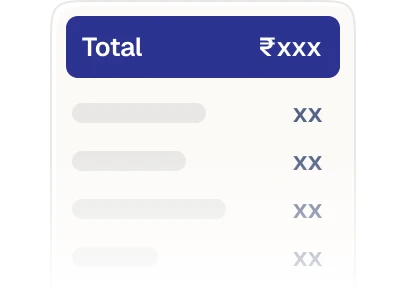
Transparent pricing
Full cost breakup before you commit. No surprises at the payment screen.
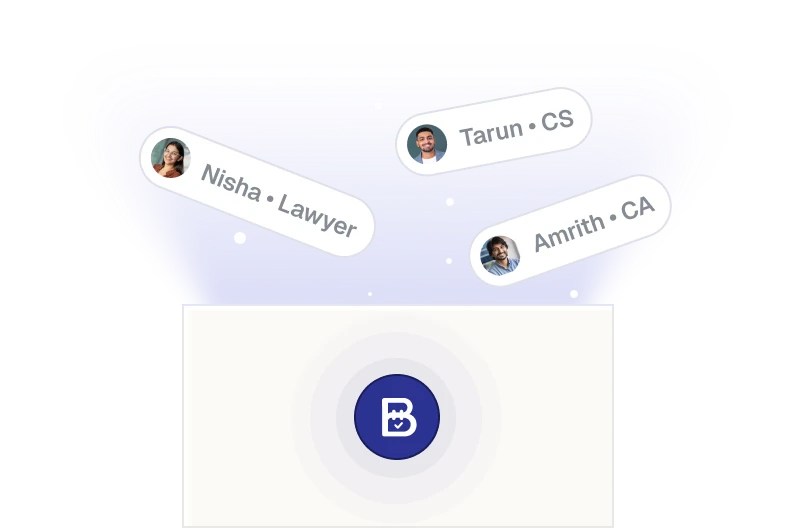
Right professional
CA, CS, or lawyer matched to your situation, not a one-size advisory.
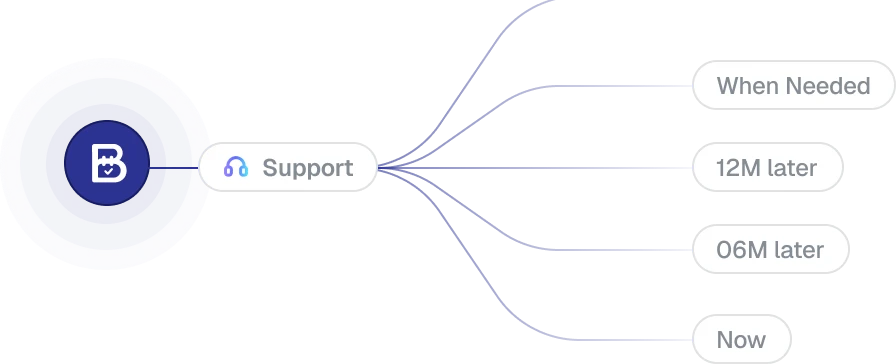
Long-term support
Available after incorporation for accounting, tax, and ROC compliance.
Informed decisions
Decisions that affect ownership, taxation, fundraising, and compliance, done right from the start.
Frequently Asked Questions
No. BookmyCA connects you with independent, verified professionals who are responsible for the advice and filings.

Every professional is vetted before joining, and you get a clear scope and price before any work starts, not just a listing.
BookmyCA matches you with the right professional for the job; they handle the actual filing on your behalf.
Yes, every match connects you with a real, verified professional, not an automated response.
No, describing your situation and getting matched doesn't require an account.

Speak to a Professional Before You Register
The cheapest registration package can turn into the most expensive one if you get the structure, shareholding split, objects clause, or compliance plan wrong. BookmyCA helps you start with clarity.